Balance
Add softness around the forehead and jaw without hiding the cheekbone dimension.
Diamond face hairstyle guide
Explore hairstyles that highlight prominent cheekbones while framing the narrower forehead and jaw area with intention.

The recommendation logic uses balance, highlight, frame, and express together. The goal is not to turn every face into an oval face, but to make the selected face shape look intentional.
Add softness around the forehead and jaw without hiding the cheekbone dimension.
Let cheekbones remain the visual strength, then use texture to guide attention toward the eyes.
Face-framing layers should open around the cheekbones rather than crowding them.
Diamond faces work well with refined, polished, and lightly editorial hair directions.
Styling notes
Use these notes to compare shape, movement, length, and expression before choosing a visual direction.
Medium control
Work above or below cheekbone width.
Off-cheek
Avoid the widest point.
Soft side
Frames the narrower forehead.
Curtain or light
Support the taper without covering it.
Compare each style by visual intent, face framing, and how much it preserves the original face-shape identity.

Top pick
Face-Framing Layers supports Frame and Highlight for diamond face while keeping prominent cheekbones visible.
Best for: A diamond face that wants Frame and Highlight without losing its face-shape identity.
Use care if: Avoid versions that become widest at the cheekbone peak.

Great option
Textured Bob supports Balance and Express for diamond face while keeping prominent cheekbones visible.
Best for: A diamond face that wants Balance and Express without losing its face-shape identity.
Use care if: Avoid versions that become widest at the cheekbone peak.
Great option
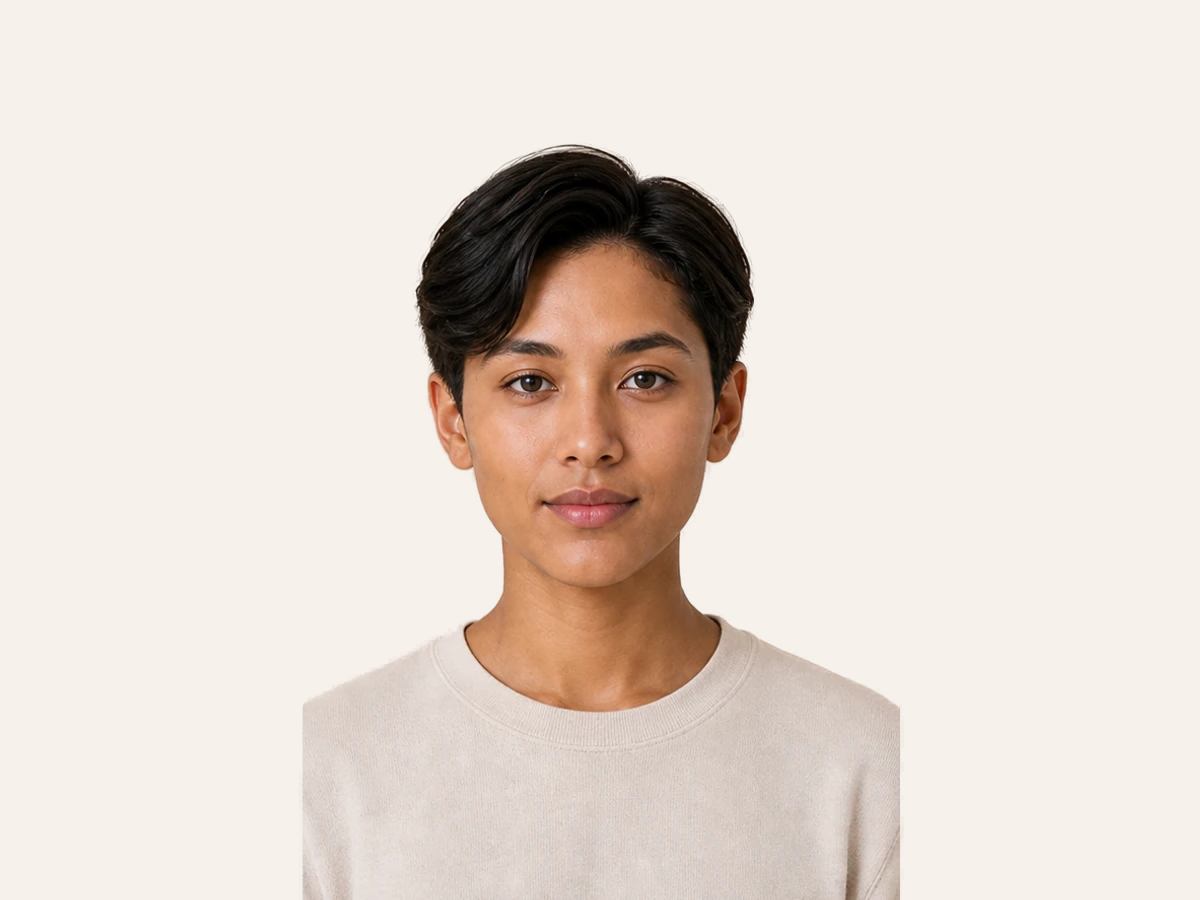
Low-Volume Side Part supports Frame and Express for diamond face while keeping prominent cheekbones visible.
Best for: A diamond face that wants Frame and Express without losing its face-shape identity. Treat this direction as editorial until the visual set is reviewed.
Use care if: Avoid versions that become widest at the cheekbone peak.
Visual QA
The official images are tied to fixed rule IDs and audience groups. When you compare hairstyles, pay attention to face outline, volume placement, length, and identity anchors so each option stays grounded in your own features.
The forehead, cheekbones, jawline, and chin should stay readable.
Where volume sits changes whether a style balances, highlights, or overwhelms.
Length sets the silhouette while texture controls softness and direction.
Generated visuals should keep the same person, skin tone, background, and clothing.
These directions can still work, but they need more attention to placement, length, and volume.
It can add width where the face already has the most presence.
It may expose the narrow forehead and jaw too starkly.
They can make the lower face feel narrower.
Continue from hair direction into glasses, face-shape signals, and deeper styling context.
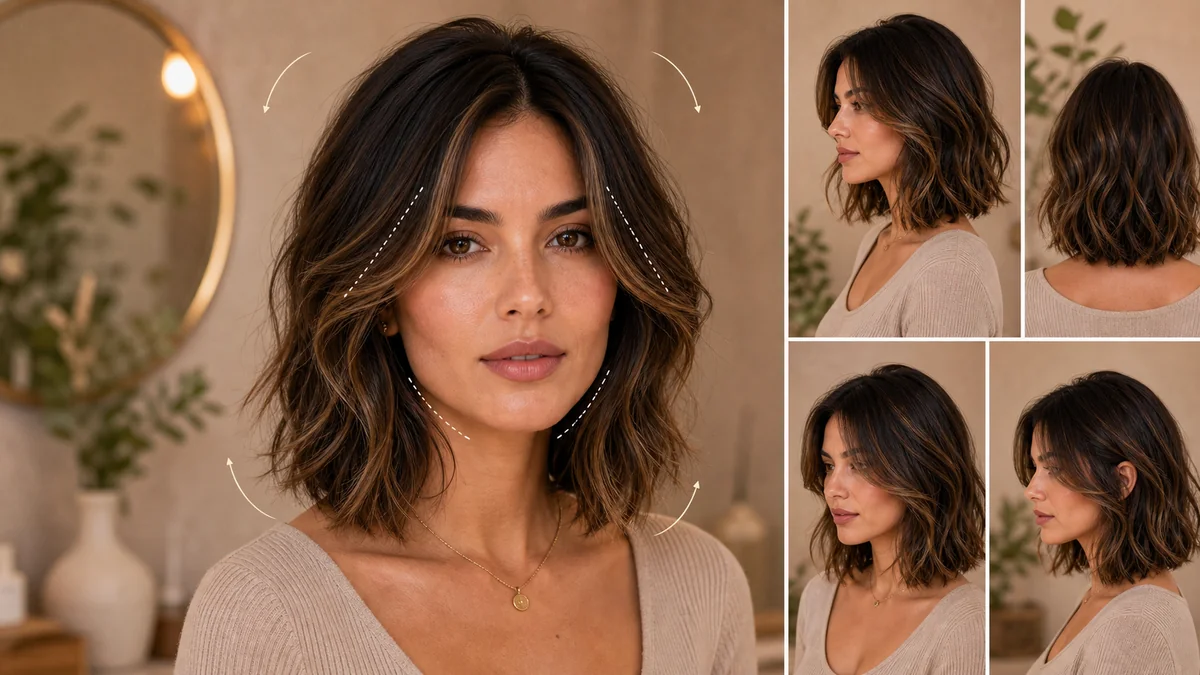
Hairstyle guide
Framing layers and balanced volume for sculptural features.
Read guide
Glasses guide
Frame ideas for highlighting eyes and cheekbones.
Read guide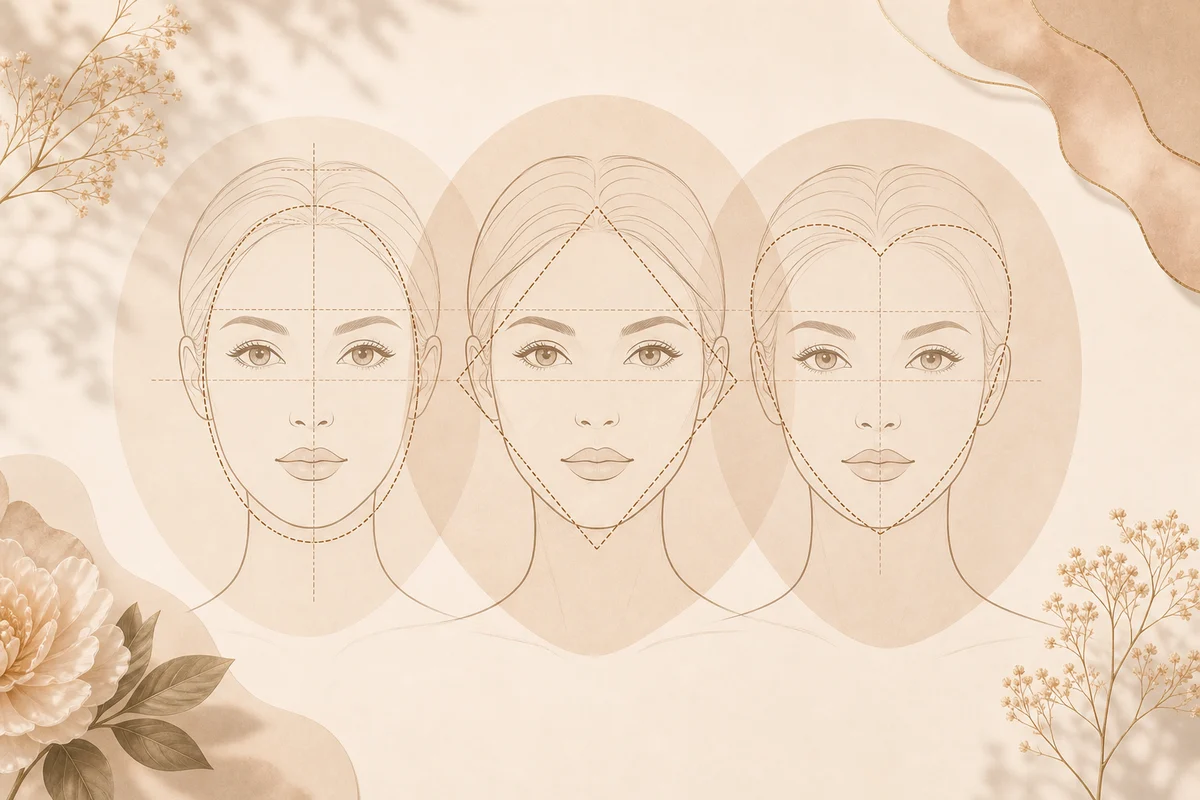
Shape comparison
How to read overlapping cheekbone and chin signals.
Read guideStart with styles that support balance, highlight, frame, and express. Use the dimensions above to compare which direction supports your features without forcing one fixed template.
No. Balance is only one dimension. Some styles are chosen to highlight cheekbones, frame the eyes, or express a clear style direction rather than to even out proportions.
The principles stay consistent, but the rule IDs, style slugs, rank order, and visual references change by audience to keep the recommendations grounded in real styling references.
Fixed identity anchors make it easier to compare hairstyle changes against the same person, skin tone, background, and clothing. It keeps the focus on the hairstyle itself.
Upload a photo to discover your closest face-shape match and explore personalized hairstyle and glasses directions.