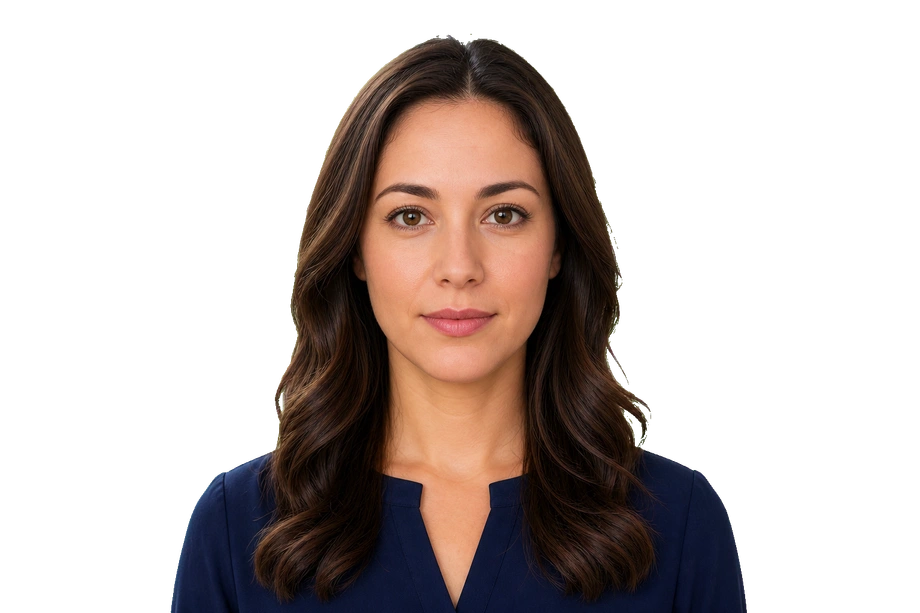
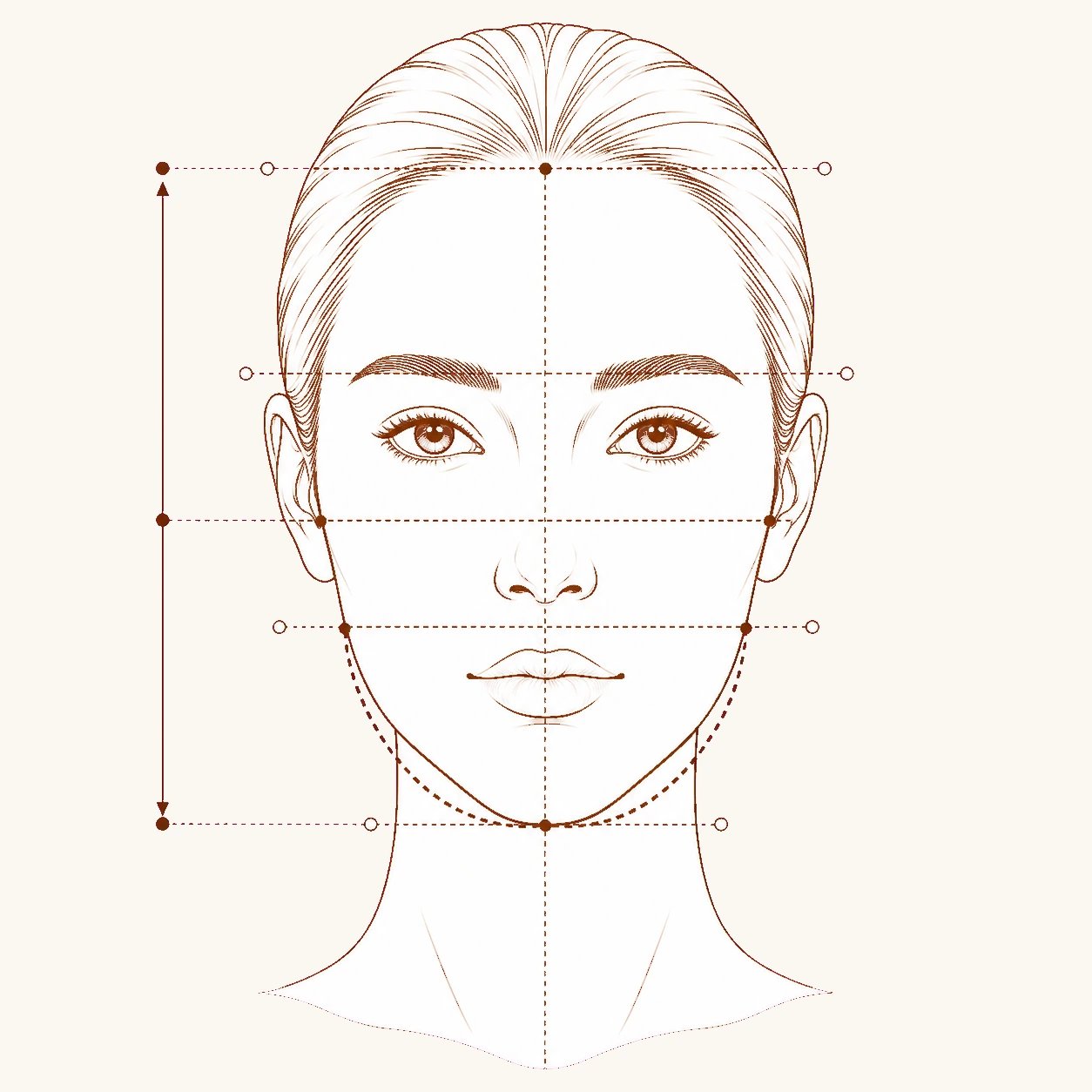
The six common face shapes used in this guide are oval, round, square, heart, diamond, and oblong. These labels describe visible proportion patterns such as face length, width balance, jawline, and chin shape. Many people have one closest match plus a secondary resemblance.
How do I determine my face shape?
Start with the checks in order: compare face length to width, find the widest point, then study the jawline and chin. That sequence helps narrow six possible shapes to one or two likely matches before you use a photo detector, calculator, or quiz.
Which facial feature should I check first?
Check overall face length first because it quickly separates visibly elongated shapes from more compact ones. After that, compare whether the forehead, cheekbones, jaw, or a balanced width pattern stands out. The jawline and chin usually provide the final deciding clue.
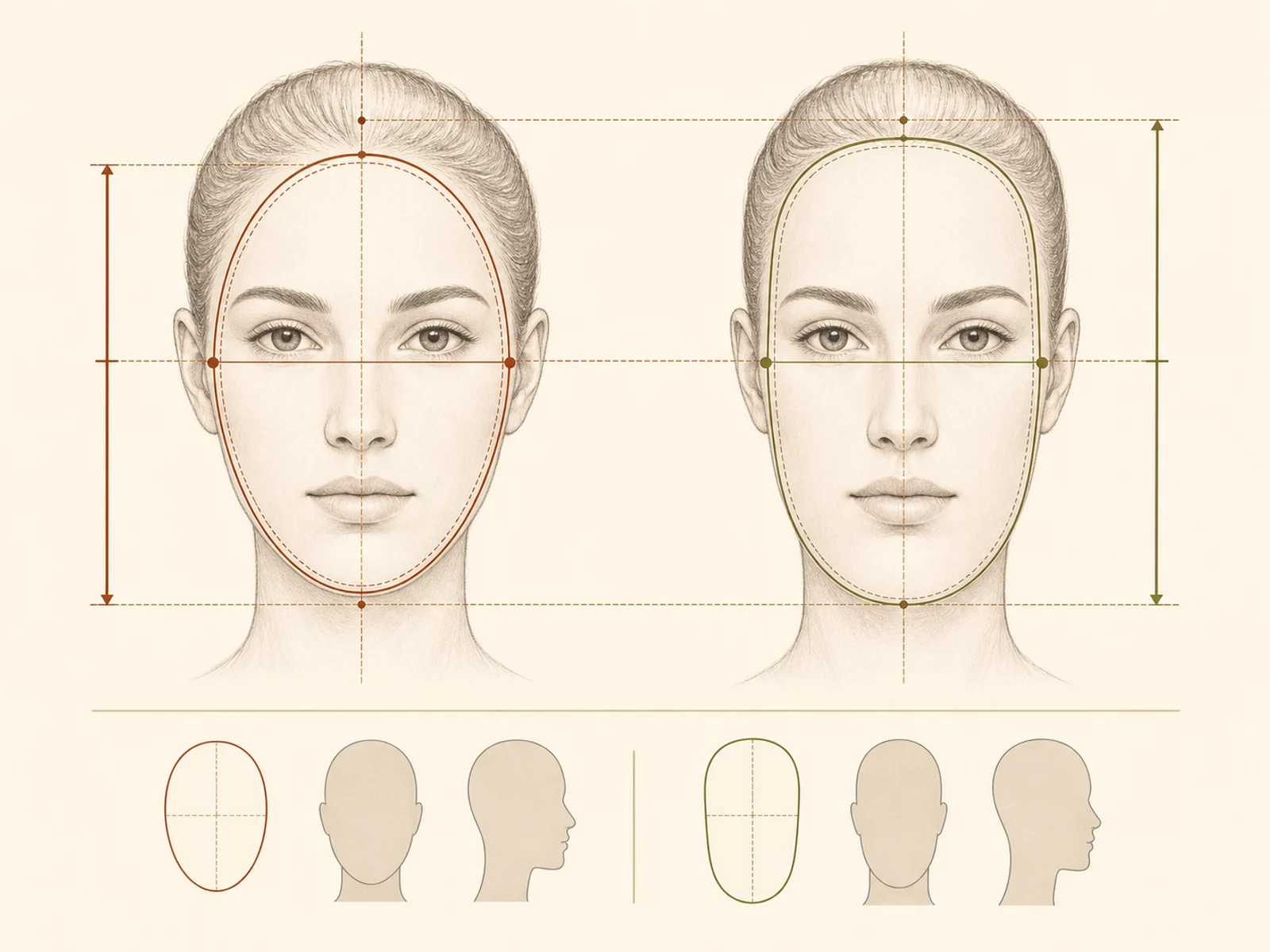
What is the difference between oval and oblong?
Oval and oblong faces can both look longer than wide, but the balance is different. Oval usually feels gently elongated with softer width changes. Oblong looks noticeably longer, and the forehead, cheekbones, and jaw may stay closer in width with straighter side contours.
What is the difference between round and square?
Round and square faces can both have length and width that feel close. Round faces usually read softer, with curved sides, fuller cheeks, and a rounded lower face. Square faces show more structure through clearer jaw angles, straighter sides, and a broader lower face.
Can I have features from more than one face shape?
Yes. A person can have a closest face-shape match and still share features with another shape. For example, an oval face may have diamond-like cheekbone emphasis, or a square face may have oblong length. Use the comparison section to decide which feature is strongest.
Do I need exact measurements to identify my face shape?
Exact measurements are not required for a first visual estimate. They help when two shapes remain close after the visual guide, especially oval versus oblong or round versus square. If you want a structured second check, use the measurement calculator.
Which method should I use to confirm my face shape?
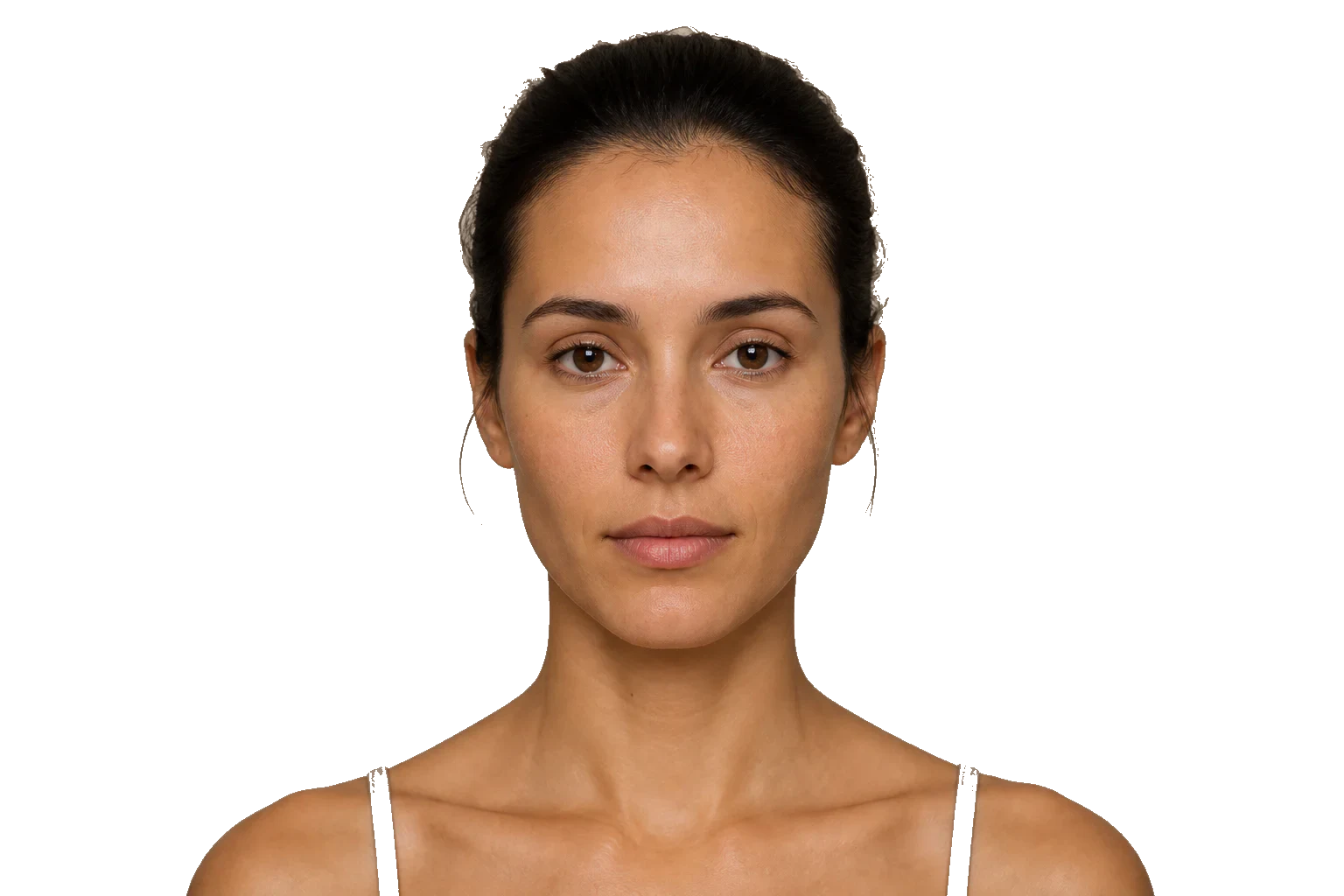
Use the detector when you have a clear front-facing photo, the calculator when you prefer measurements, and the quiz when you want a no-photo visual self-check. If two shapes still feel close, compare them side by side before choosing a detail guide.