Proportion
Use balanced or slightly wider frames to create a clearer horizontal rhythm.
Round face glasses guide
Explore frames that add clean structure around the eyes while keeping the natural softness of a round face visible.

Use balanced or slightly wider frames to create a clearer horizontal rhythm.
Defined edges and gentle angles can contrast soft facial curves without looking severe.
A clear upper frame can bring more attention to the eyes and brow area.
Choose from polished, modern, or lightly statement-making directions.
Compare frame direction, fit notes, and how each style frames the eyes.

Adds crisp definition around the eyes while keeping the overall expression approachable.

Highlights the upper face with a clear horizontal anchor.

Wayfarer gives this face shape a clear eyewear direction with room to adjust fit and finish.
Fit notes
The same frame family can look different depending on width, lens depth, bridge fit, and visual weight. Pay attention to these dimensions when comparing options.
Keeps the outer edge in proportion with your cheekbones and temples.
Changes how much visual space the frame creates around the eyes.
Controls where the frame sits and whether it feels stable.
Adjusts how much the frame leads your overall expression.
These directions can still work, but the fit needs more attention.
They can repeat the same soft circular lines.
They may feel too small and visually compressed.
They can reduce the definition around the eyes.
Continue from frame fit into hairstyles, face-shape signals, and deeper styling context.
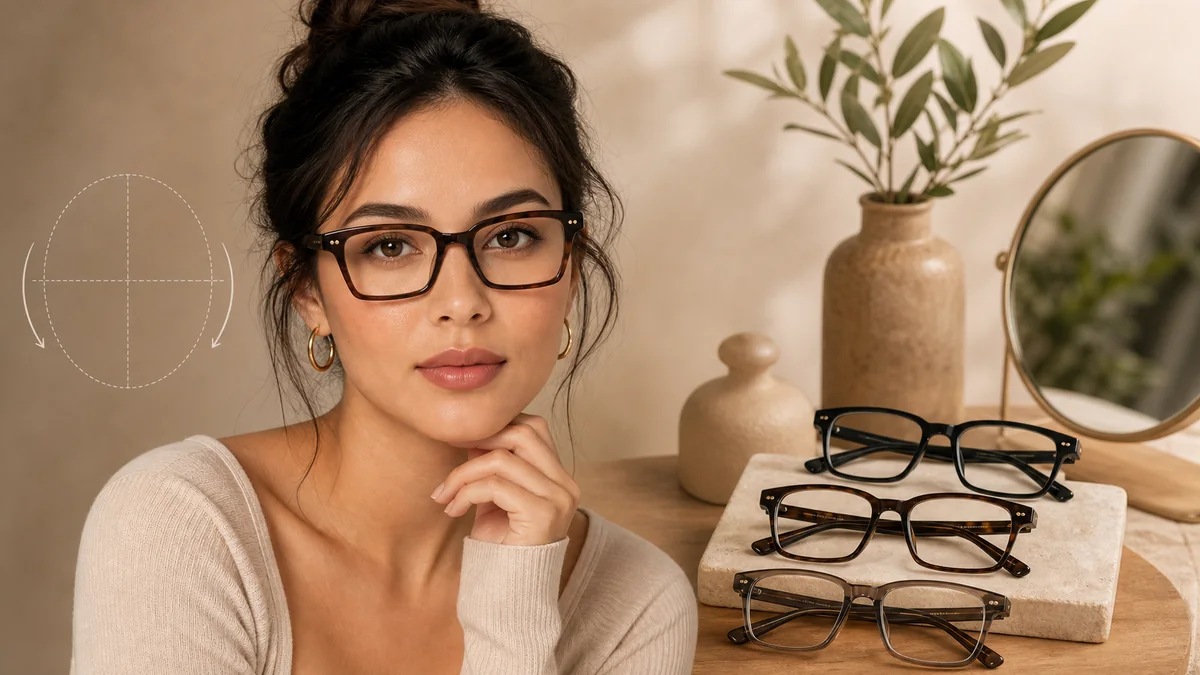
Glasses guide
Frame shapes, fit notes, and style ideas for softer curves.
Read guide
Hairstyle guide
Layers, volume, and framing ideas that add direction.
Read guide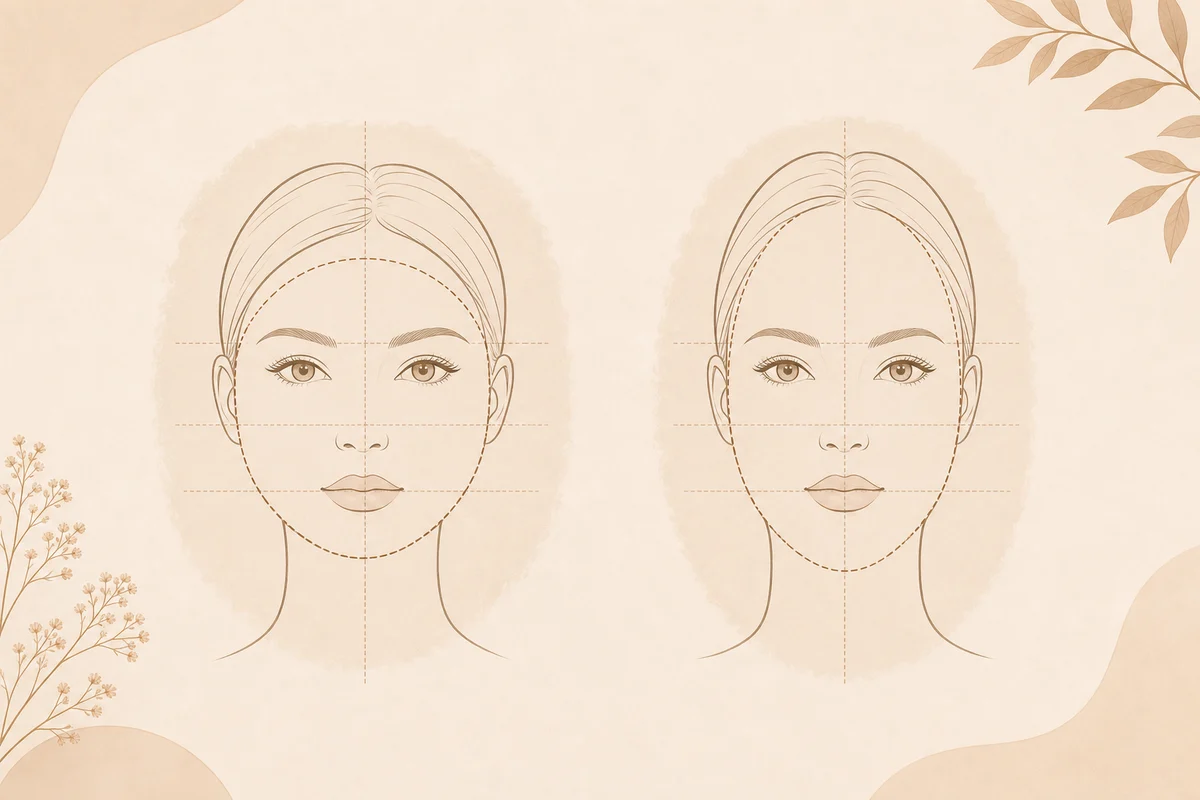
Shape comparison
How to compare width, length, cheeks, and jawline signals.
Read guideStart with frames that support proportion, contour, focus, and expression. Use the dimensions above to compare which direction adds the most clarity for your features.
Frame width should usually sit close to the widest practical point of the face. Slightly wider or narrower can both work depending on the overall fit and visual weight.
The fit principles stay consistent, but the images and frame directions change by audience to match common preferences and styling references.
No. Shape gives the style direction, while width, bridge fit, lens depth, and visual weight decide whether the frame actually looks right on the face.
Upload a photo to discover your closest face-shape match and explore personalized frame directions.