Proportion
Use light-to-medium visual weight to keep the upper half of the face from feeling overloaded.
Heart face glasses guide
Explore frames that keep the eye area light, create a steady visual center, and complement a more tapered chin.

Use light-to-medium visual weight to keep the upper half of the face from feeling overloaded.
Soft curves and gentle lens depth can complement the transition toward a narrower chin.
Keep the attention around the eyes without adding too much weight at the top edge.
Choose refined, light, and modern directions that feel polished rather than heavy.
Compare frame direction, fit notes, and how each style frames the eyes.

Oval Metal gives this face shape a clear eyewear direction with room to adjust fit and finish.

Light Aviator gives this face shape a clear eyewear direction with room to adjust fit and finish.

Creates a gentle lift at the outer edge while keeping the frame refined.
Fit notes
The same frame family can look different depending on width, lens depth, bridge fit, and visual weight. Pay attention to these dimensions when comparing options.
Keeps the outer edge in proportion with your cheekbones and temples.
Changes how much visual space the frame creates around the eyes.
Controls where the frame sits and whether it feels stable.
Adjusts how much the frame leads your overall expression.
These directions can still work, but the fit needs more attention.
They can place too much emphasis near the forehead.
They may stretch the upper face wider than intended.
They can compete with the natural taper toward the chin.
Continue from frame fit into hairstyles, face-shape signals, and deeper styling context.

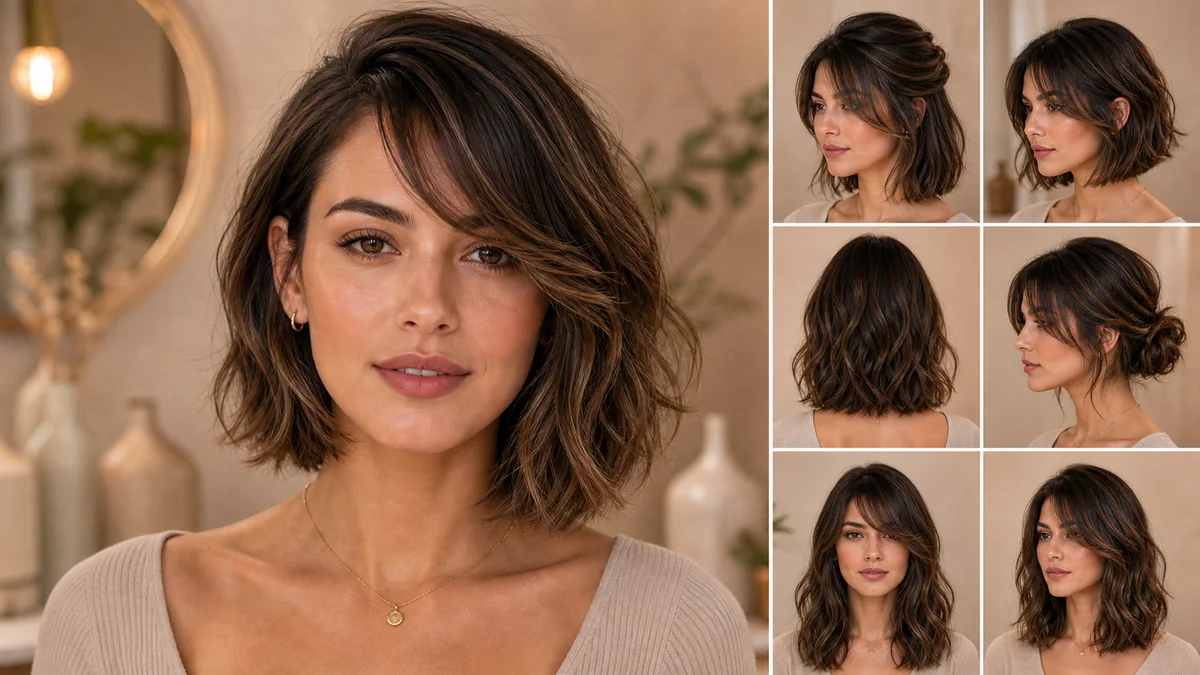
Hairstyle guide
Bangs, length, and volume for a tapered lower face.
Read guide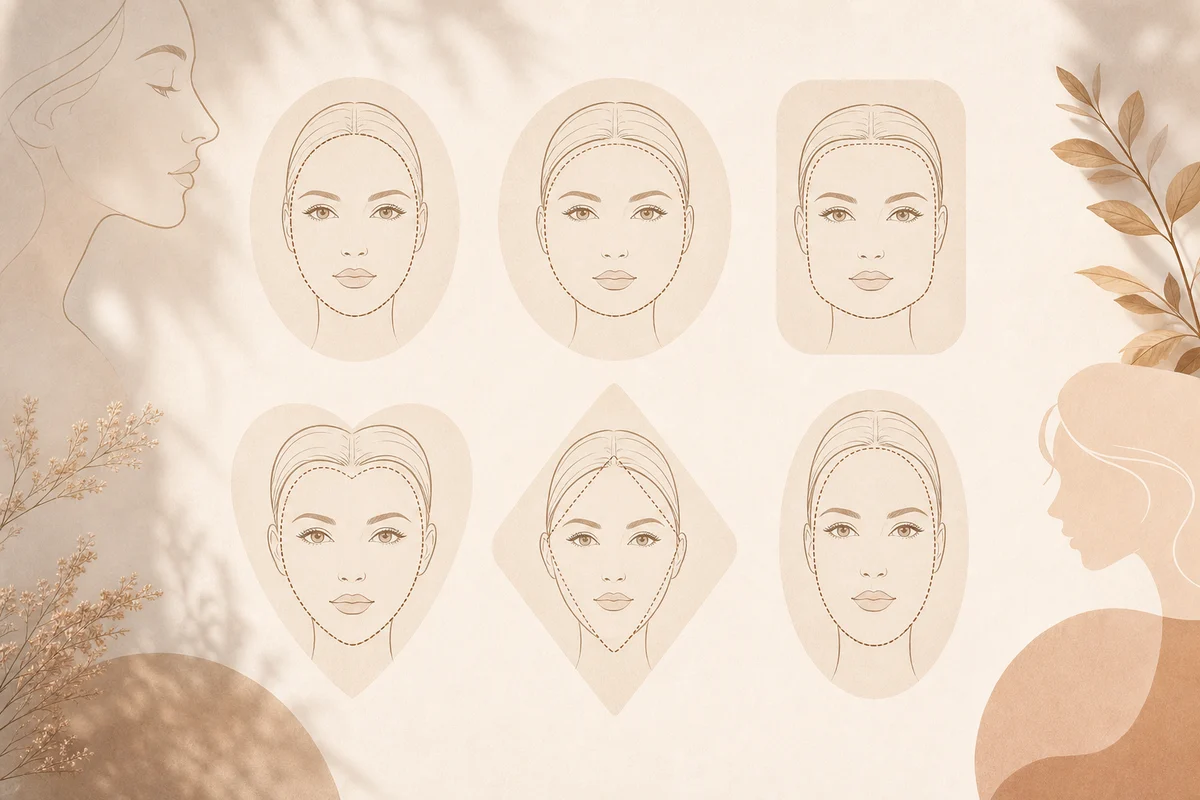
Start with frames that support proportion, contour, focus, and expression. Use the dimensions above to compare which direction adds the most clarity for your features.
Frame width should usually sit close to the widest practical point of the face. Slightly wider or narrower can both work depending on the overall fit and visual weight.
The fit principles stay consistent, but the images and frame directions change by audience to match common preferences and styling references.
No. Shape gives the style direction, while width, bridge fit, lens depth, and visual weight decide whether the frame actually looks right on the face.
Upload a photo to discover your closest face-shape match and explore personalized frame directions.