Best Hairstyles for Oval Face Shapes: Keep Balance Without Overdoing It
Quick Answer
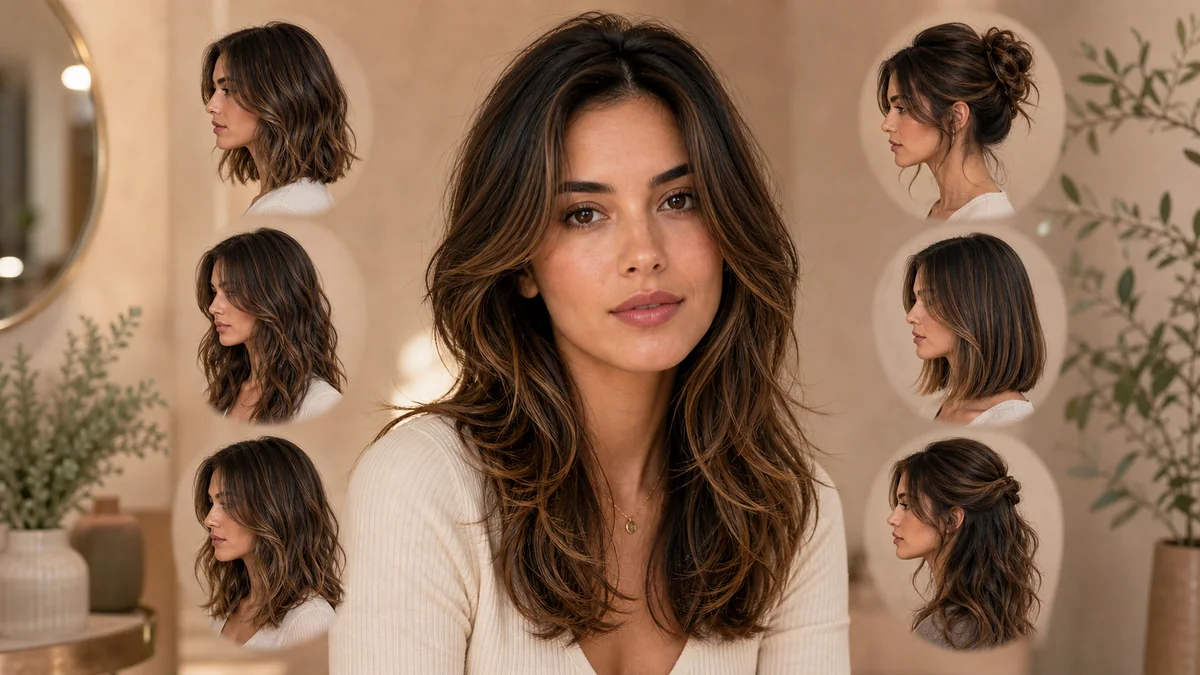
The best hairstyles for oval face shapes preserve proportion instead of trying to correct it. Medium-length cuts with soft layers, long hair with face-framing movement, textured short cuts, curtain bangs, side-swept bangs, relaxed waves, and controlled curls are reliable starting points.
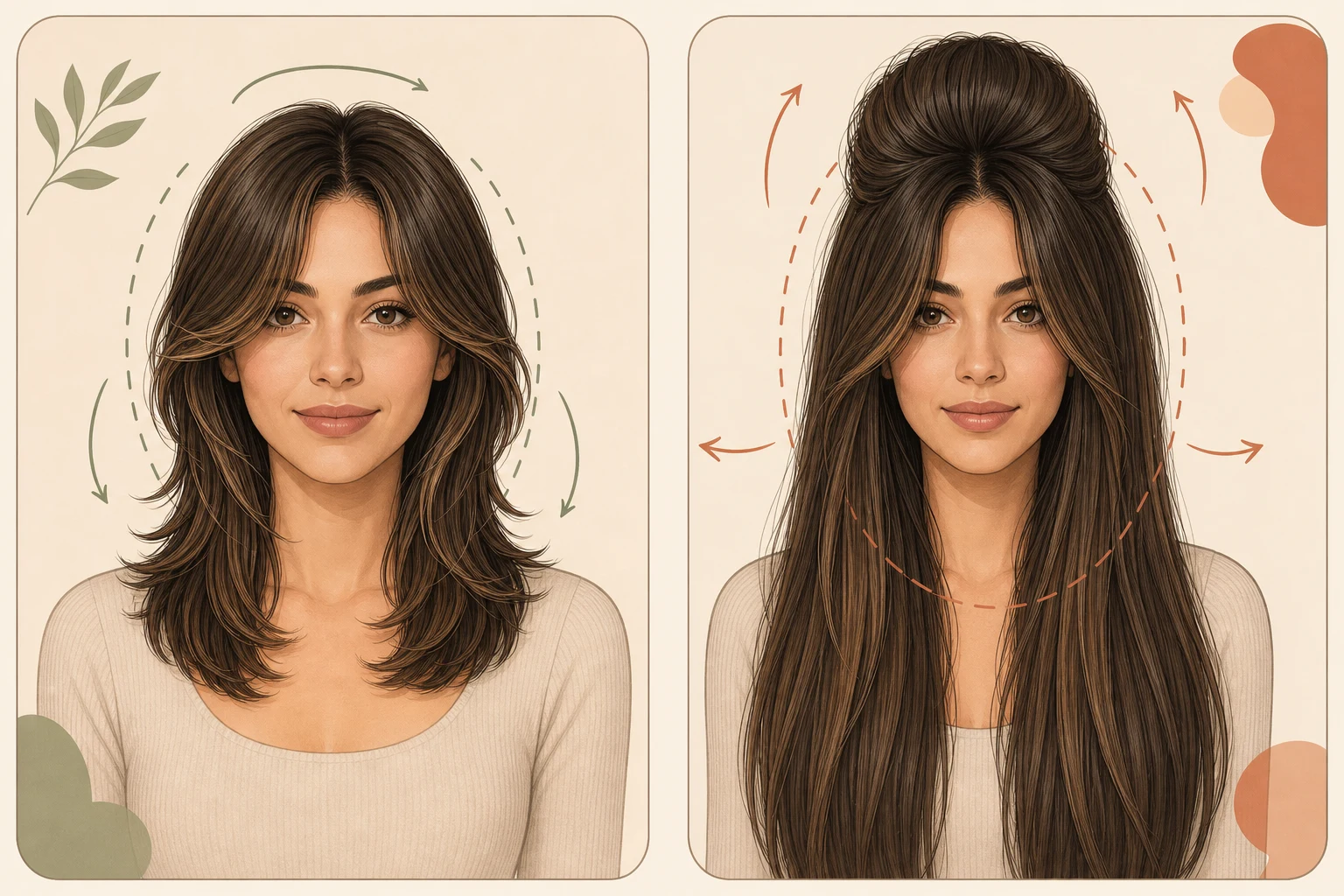
Oval faces are versatile because the face is usually a little longer than wide, the widths feel balanced, and the jaw tapers gently. That versatility still has limits. Too much crown height can make the face look longer. Too much side volume can compete with the cheekbones. Very long, unlayered hair can pull the outline downward.
Why oval faces still need a haircut strategy
The common advice that oval faces can wear anything is only partly true. Oval proportions make more styles possible, but the haircut still changes where the eye travels.
Length creates the outer frame. Layers decide where movement starts. Bangs change how much forehead is visible. Texture controls whether the shape feels soft, structured, wide, or long. For oval faces, the best choices usually keep these elements moderate so no single part of the haircut overpowers the face.
If you are not sure whether your face is oval, first compare it with the oval face shape guide. The hairstyle advice works best when the oval profile is actually the primary match, not just the shape you prefer.
Best hairstyle directions for oval faces
Use these directions as haircut briefs rather than fixed style names.
| Direction | Why it works | Watch out for |
|---|---|---|
| Medium length with soft layers | Adds movement while keeping the face proportionate | Layers that start too high can add unwanted cheek width |
| Long hair with face-framing pieces | Keeps long hair from dragging the face downward | Very long straight hair without layers can elongate |
| Textured bob or lob | Gives structure without heavy vertical pull | A blunt, dense bob can feel too wide if it ends at the cheek |
| Soft waves or relaxed curls | Distributes volume instead of concentrating it | Very wide side volume can compete with balance |
| Short textured crop | Shows the face and adds modern shape | Too much height on top can over-lengthen |
| Curtain or side-swept bangs | Frames the forehead without closing the face | Heavy blunt bangs can shorten the face too much |
The safest starting point is usually medium length with movement around the cheekbone, jaw, or collarbone. From there, adjust for hair texture and personal style.
Placement rules: length, layers, bangs, and volume
Length: shoulder to collarbone length is the easiest range because it has enough movement without creating a long vertical curtain. Long hair can work well, but it needs layers or texture to avoid pulling the eye straight down.
Layers: cheekbone-level layers add softness and highlight the middle of the face. Jaw-level layers emphasize taper. Collarbone layers work well for long hair because they add movement below the face rather than bulk beside it.
Bangs: oval faces do not need bangs, but they can wear many types. Curtain bangs are flexible. Side-swept bangs soften the forehead. Blunt bangs can work when the face is not already short-looking, but keep the density intentional.
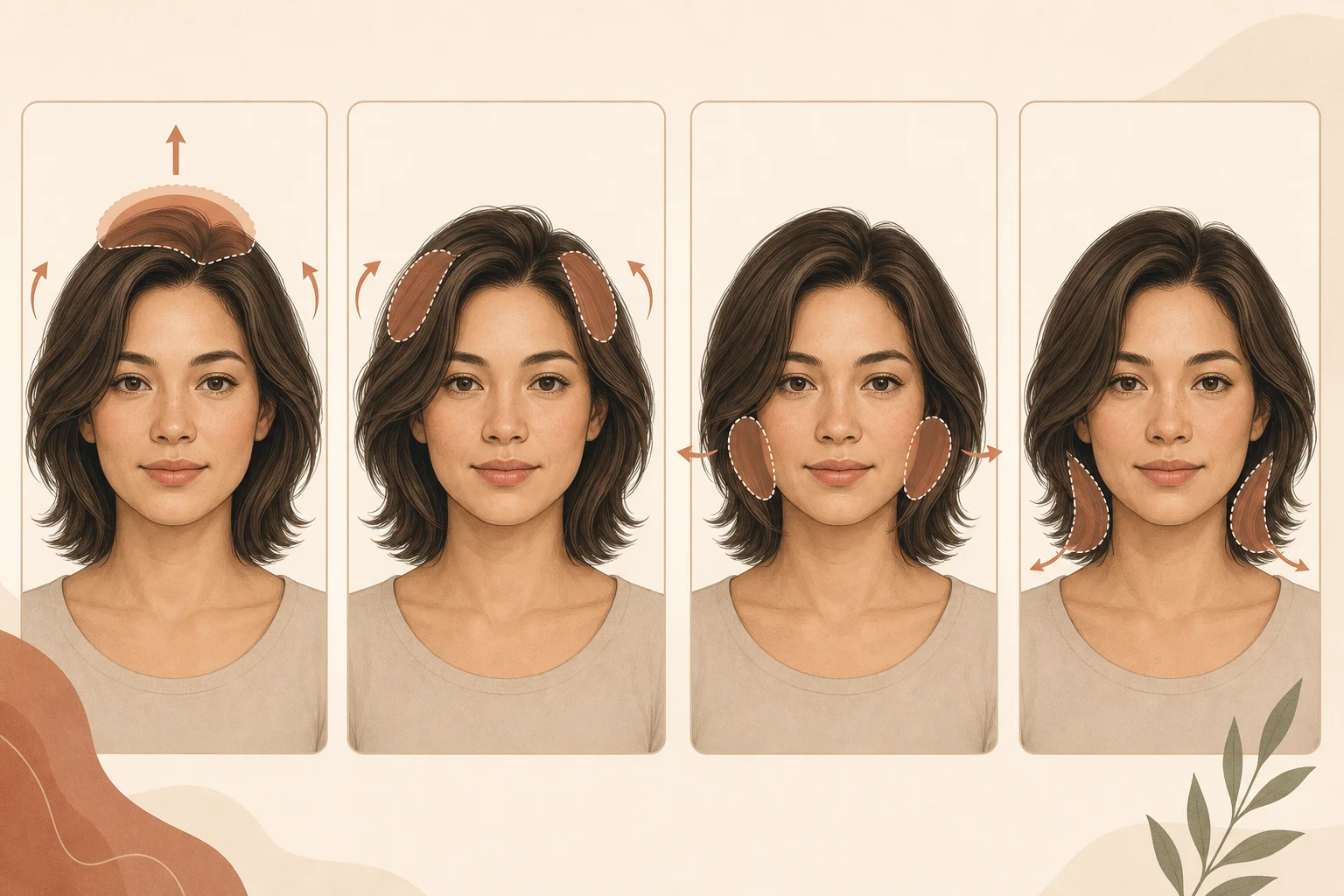
Volume: small crown lift is fine. Extreme height is the main risk. Side volume should look airy, not wide and heavy. If the hairstyle becomes the first thing people notice, the scale may be too large for your features.
For women: what to ask for
For medium or long hair, ask for face-framing layers that begin around the cheekbone, jaw, or collarbone depending on how much movement you want. If your hair is fine, keep the layers soft so the ends do not look thin. If your hair is thick, ask for weight removal that does not create a wide triangle at the sides.
For short hair, ask for texture and moderate top length rather than a severe shape. A pixie, bixie, bob, or lob can all work when the edges are adapted to your face scale.
For bangs, choose based on forehead width and maintenance. Curtain bangs are forgiving. Side-swept bangs are easier to grow out. Blunt bangs need a cleaner commitment and more frequent trims.
For men: what to ask for
Oval faces usually suit a broad range of men's cuts, but the top-to-side ratio still matters. A textured crop, soft side part, medium taper, classic scissor cut, or controlled quiff can all work.
Avoid extremes unless they match your personal style. Very tall volume with tight sides can make an oval face look longer. Very flat hair with heavy sides can make it look wider. A balanced request is: moderate length on top, controlled sides, texture for movement, and no excessive height.
If you wear facial hair, keep it proportional. A very long beard can pull an oval face toward an oblong impression, while a short shaped beard can add definition without changing the full balance.
How to talk to your stylist or barber
Use language that describes placement, not just style names:
- "Keep the overall shape balanced; I do not want a lot of height or side width."
- "Add movement around the face, but do not thin the ends too much."
- "If we do bangs, keep them soft enough that the forehead does not look blocked."
- "For a short cut, keep texture on top and avoid a tall narrow silhouette."
Reference photos help, but only when you explain why you like them. Say whether you like the length, the layer entry point, the texture, the fringe, or the amount of volume.
Common mistakes
- Assuming every trend will work because the face is oval.
- Adding extreme crown height without checking face length.
- Wearing very long straight hair with no face-framing movement.
- Choosing heavy side volume that competes with cheekbone balance.
- Copying a haircut name without discussing where layers and volume should sit.
- Ignoring hair texture and daily styling effort.
Frequently Asked Questions
Can oval faces wear very short hair?
Yes. Short hair often works well on oval faces when the top has some shape and the sides are not overly wide or overly tight. The key is scale, not length alone.
Are bangs good for oval faces?
They can be. Curtain, side-swept, textured, and blunt bangs can all work in the right density. Choose bangs based on forehead width, hair texture, and how often you are willing to trim them.
Is long hair bad for oval faces?
No. Long hair is fine when it has layers, waves, or face-framing pieces. Very long straight hair with no movement is the version most likely to over-elongate.
How do I know if a style is too heavy?
Take a front-facing photo and notice whether your eye goes first to the hair or the face. If the hair dominates every time, reduce volume, length, density, or contrast.
How this connects to your Face Shape Profile
An oval primary profile usually shows balanced widths, a softly curved jaw, and moderately greater face length than width. Your report still matters because stronger cheekbones, a narrower jaw, or extra vertical length can change how much crown height, side volume, or layer movement feels balanced.
Build your haircut brief
Use your report to identify the feature that most needs protection: balance, length, cheekbone presence, or jaw taper. Then turn it into one stylist note:
My profile is primarily oval. I want to keep the natural balance, add moderate face-framing movement, and avoid excessive height or side width. Please adapt the layer entry point to my texture and normal styling routine.
Review the full oval hairstyle guide, compare the broader face shape hairstyle principles, or generate a report before your appointment.
Want hairstyle guidance for your face shape?
Start with your face-shape result, then explore length, layers, bangs, volume, and maintenance notes.
Open the hairstyle guide